
Why Parents Need to Push Teens Toward Activity (Even When They Resist)
Teenagers today are growing up in a world designed to keep them sitting. Hours of scrolling, gaming, streaming, and online interaction can quietly replace movement, challenge, and face-to-face experiences. For many families, inactivity becomes normal before anyone realizes it.
That doesn’t mean teenagers are inherently lazy. Adolescence is complicated. Puberty changes sleep patterns, emotions, risk-taking, confidence, and motivation. Teens often pull away from childhood activities and may not yet have discovered what drives them.
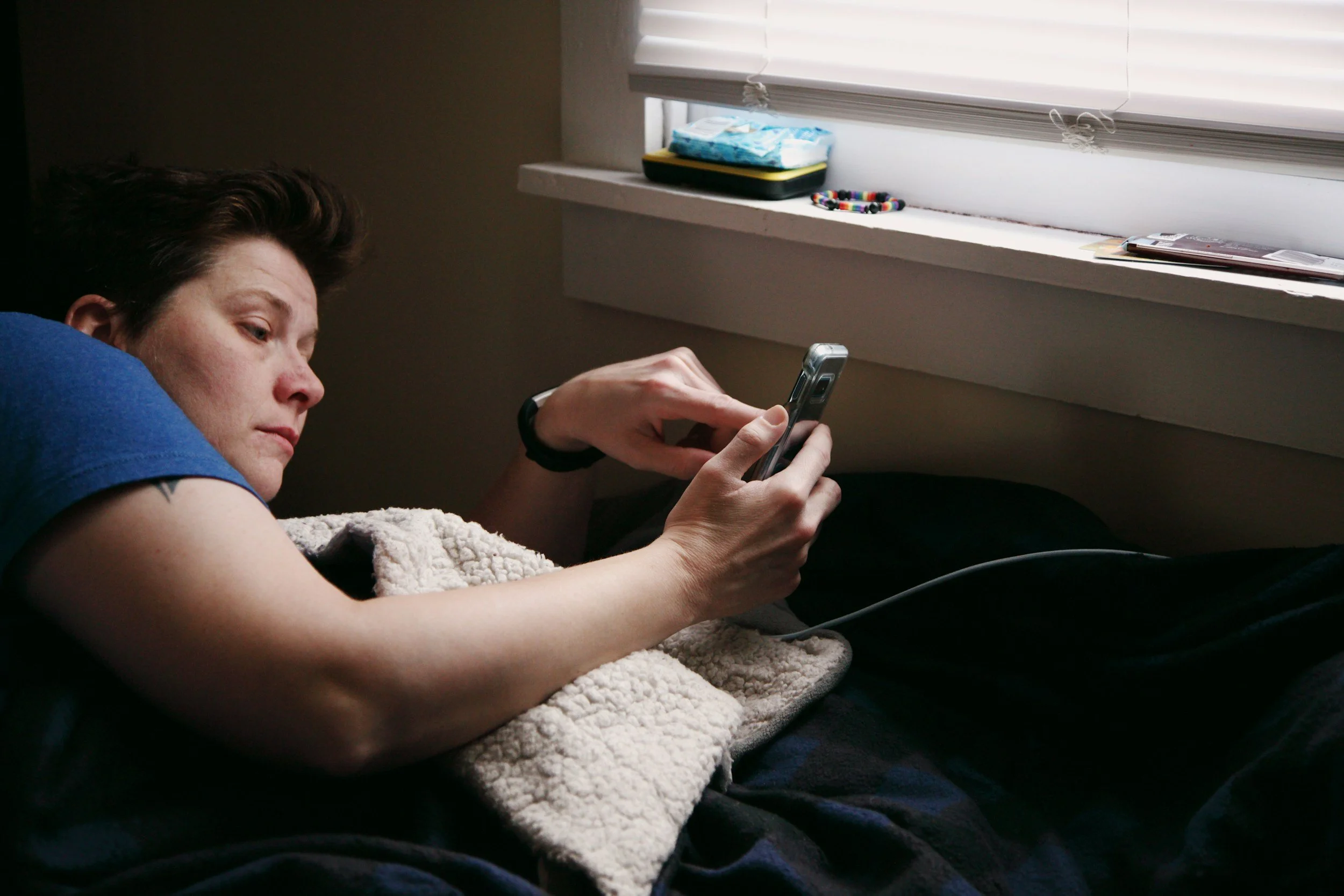
The result? A teenager who spends more time laying around, avoiding challenge and discomfort (which leads to growth), or saying they’re “bored” despite not having a real reason, interest, or purpose.
Parents sometimes hope motivation will appear on its own. Often, it doesn’t.
Part of parenting is creating expectations around movement, challenge, and healthy discomfort. Teens rarely wake up excited for every beneficial activity — whether it’s exercise, schoolwork, jobs, or responsibilities. Structure matters.
Why Do Teenagers Do Things?
Many of the absent-minded thoughts we see in teens may be the psychological impact from Covid-19 isolation. Social influence is powerful during adolescence, so an invitational prompt is vital to kickoff engagement.
Many teenagers become interested in activities because friends participate. They join sports because teammates invite them. They try hobbies because peers are involved. Social acceptance becomes highly important during these years.
The question becomes: What environments are influencing them?
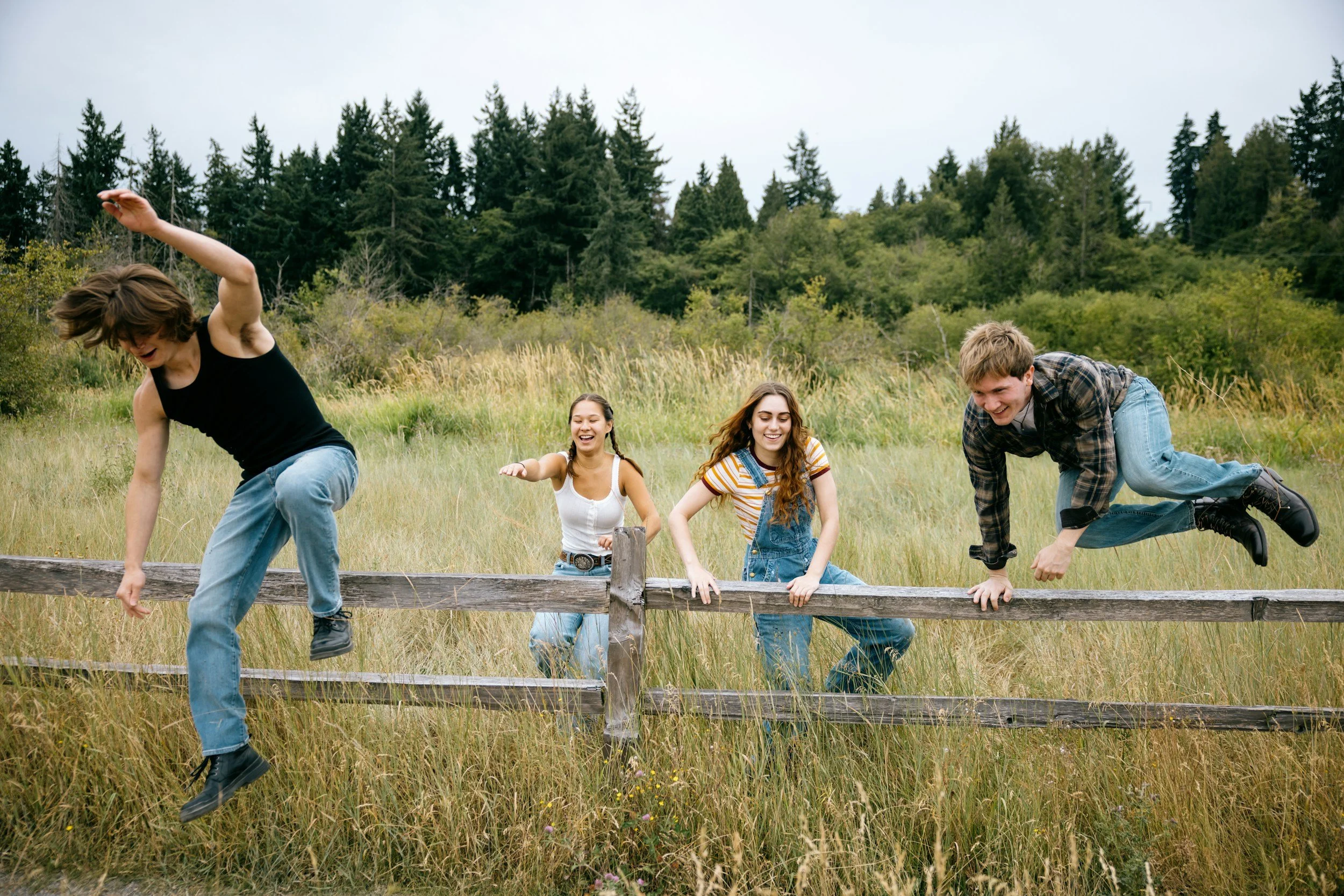
If peers spend most free time online where dopamine releases for every scroll they do. Inactivity spreads and it’s a silent and harmful feedback loop for their cognitive development. Healthy discomfort leads to growth. So when teens don’t get their immediate dopamine hit in an activity, they want to quit.
On the other hand, if peers invite them to go to parkour class, build real skills, and engage in social fitness, their motivation spreads too. Habits and communities shape behavior. What those look like are determined by their lifestyle that parents uphold them to.
Parents Have a Role
Parents cannot control every choice their teen makes, but they shape expectations. Encouraging movement, introducing healthy environments, and insisting on participation in something active isn’t punishment — it’s guidance.
Many teens resist at first. Many eventually become grateful. The goal isn’t forcing a teenager into one sport forever. The goal is helping them discover challenge, capability, and community before inactivity becomes habit.
A pitfall parents fall into: They’re becoming an adult, so they have to start making their own choices. While this may be true, teens don’t necessarily know what a healthy lifestyle looks like. They can’t just be set to make their own decisions without guidance or expectations. It doesn’t click, cognitively. Their age and body may have grown up, but their brain and experience are still developing to make sense of everything.
Upholding your teen to some form of activity - physical and artistic - is vital. Give them multiple activities to choose from instead of an activity or nothing at all. Then they can uphold their participation with the support of coaches and friends who care.
So when your teen says they want to quit without any reason and just to stay home to do nothing, require them to choose a healthy lifestyle. If they want to quit something, the reason better be important. Teens will default to “I just don’t feel like it” or “I don’t know” without any real answer, especially when they’re getting so much benefit out of it.
Growth comes from discomfort, and many teens will avoid discomfort as much as they can in substitute of doom-scrolling at home.
Why Parkour Works Differently
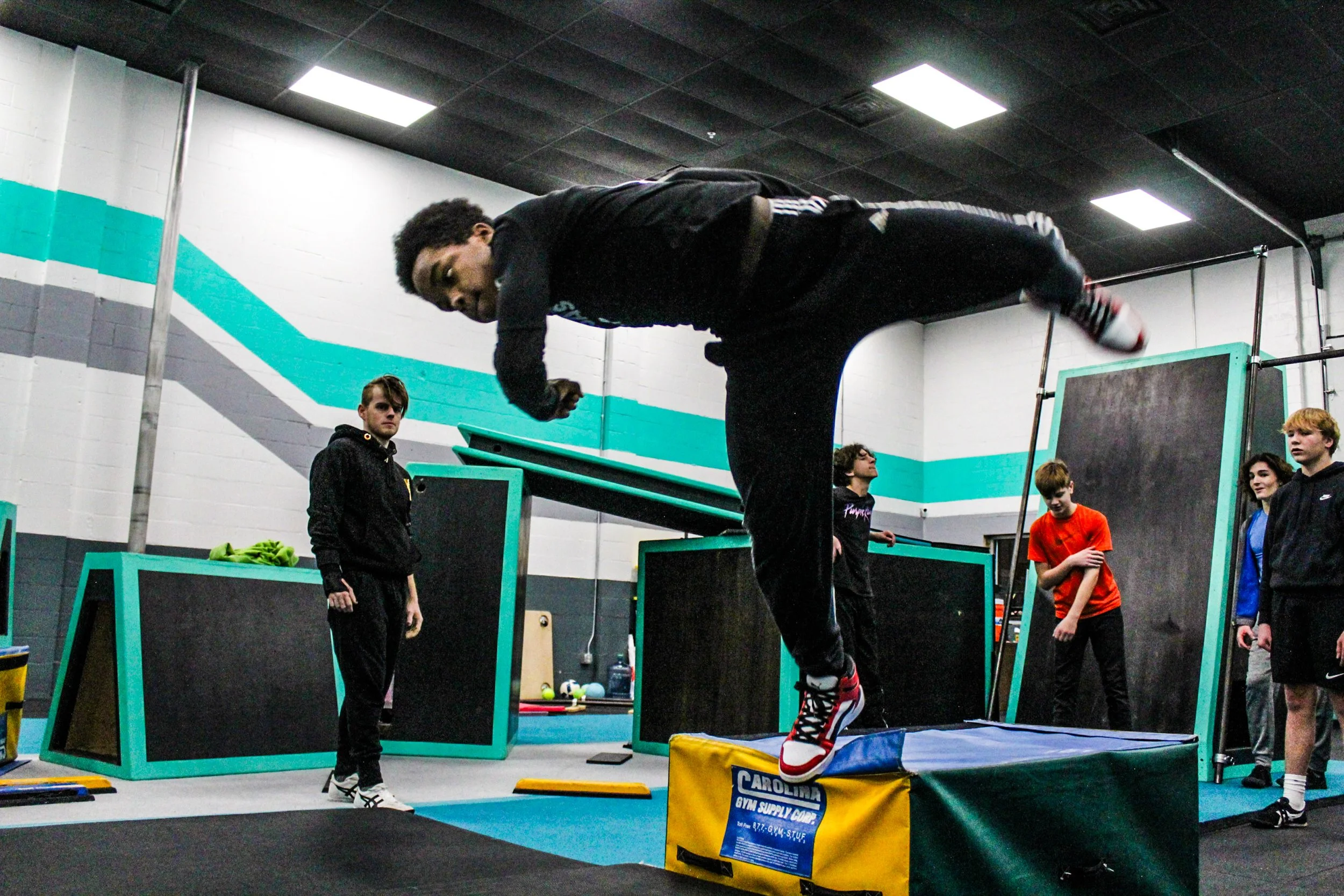
Parkour offers something many traditional activities struggle to provide: Immediate challenge.
A teen sees an obstacle and is pushed to overcome it. Humans naturally enjoy mastering difficult things. Their immediate dopamine doom-scrolling habit must be broken though for real rewarding benefits like parkour. Parkour combines:
Physical activity
Problem solving
Controlled risk-taking
Social connection
Persistence after failure
Confidence through earned progress
Every movement connects with their inner child, saying:
I couldn’t do this before. Now I feel like Spiderman, my favorite superhero.
That feeling is powerful during adolescence and begins to shape identity.
Parkour Builds More Than Fitness
Fitness matters, but many parents underestimate the social emotional side. Teens who train consistently often develop:
Greater resilience after setbacks
Increased body awareness
More comfort with failure
Patience through repetition
Confidence built from action instead of appearance
Healthy communities and friendships
Unlike activities centered purely around winning, parkour rewards improvement. Many traceurs don’t like the competitiveness of other sports. When they see the benefit of their own progress while having fun with other teens in class, it becomes a powerful reason to keep going.
The Bigger Question
Teenagers are looking for identity. They want belonging. They want challenge. They want reasons to leave their comfort zone, but will default for the easiest route to do nothing.
The question is whether those needs get filled by endless scrolling of their own choice — or by a parent that upholds them to become stronger.
Get your teen into something that will really benefit them.