Your New Year’s Fitness Resolution Will Fail. Here’s Why Parkour Is the Answer (Even If You Think It’s Not for You)
Every January, adults make the same promise: “This is the year I finally get back in shape.”
They sign up for a gym. They try running again. They swear they’ll be more disciplined this time.
And by February, most of those resolutions are already gone. Not because people are lazy. Not because they don’t care enough. But because most fitness options aren’t designed for how adults actually succeed long term.

If you’ve ever thought:
“I’m not in good enough shape yet”
“I don’t want to get injured”
“I get bored with workouts”
“I don’t want to look dumb in front of people”
You’re not alone. And despite what you might think, parkour might be the most adult-friendly fitness option out there.
Why Most Fitness Resolutions Fail Adults
1. Traditional Fitness Is Boring and Isolating
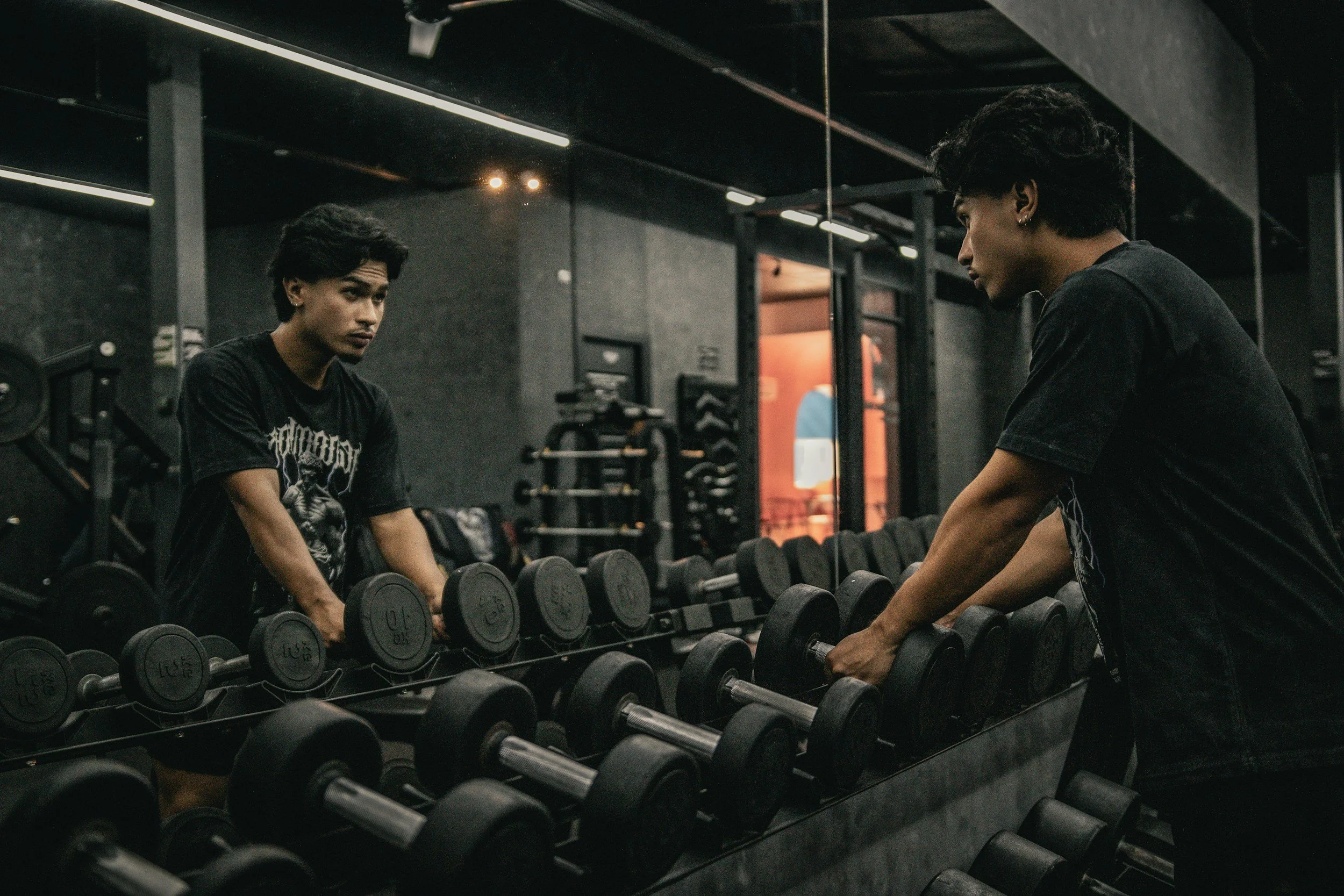
Lifting weights alone. Running on a treadmill. Repeating movements that have no connection to real life.
For many adults, workouts feel like punishment—not something they look forward to. Motivation fades quickly when exercise lacks meaning, creativity, or human connection.
2. Fitness Is Treated Like a Willpower Test
Most fitness plans rely on motivation, intensity, and “pushing harder.” That works… briefly.
But adults have jobs, families, stress, and responsibilities. When life gets busy, anything that requires constant willpower is the first thing to disappear.

3. Injury Fear Is Real (and Reasonable)
Many adults already carry:
Old sports injuries
Chronic joint pain
Bad experiences from being pushed too hard
So they either avoid movement entirely—or choose “safe” options that never truly engage them or build real confidence.
Why Parkour Solves These Problems
Most people think parkour means roof jumps, flips, and broken bones. That’s not what adult parkour training in a professional gym actually looks like.
Let’s break down the biggest objections—and why parkour addresses them better than traditional fitness.
“Isn’t Parkour Dangerous?”
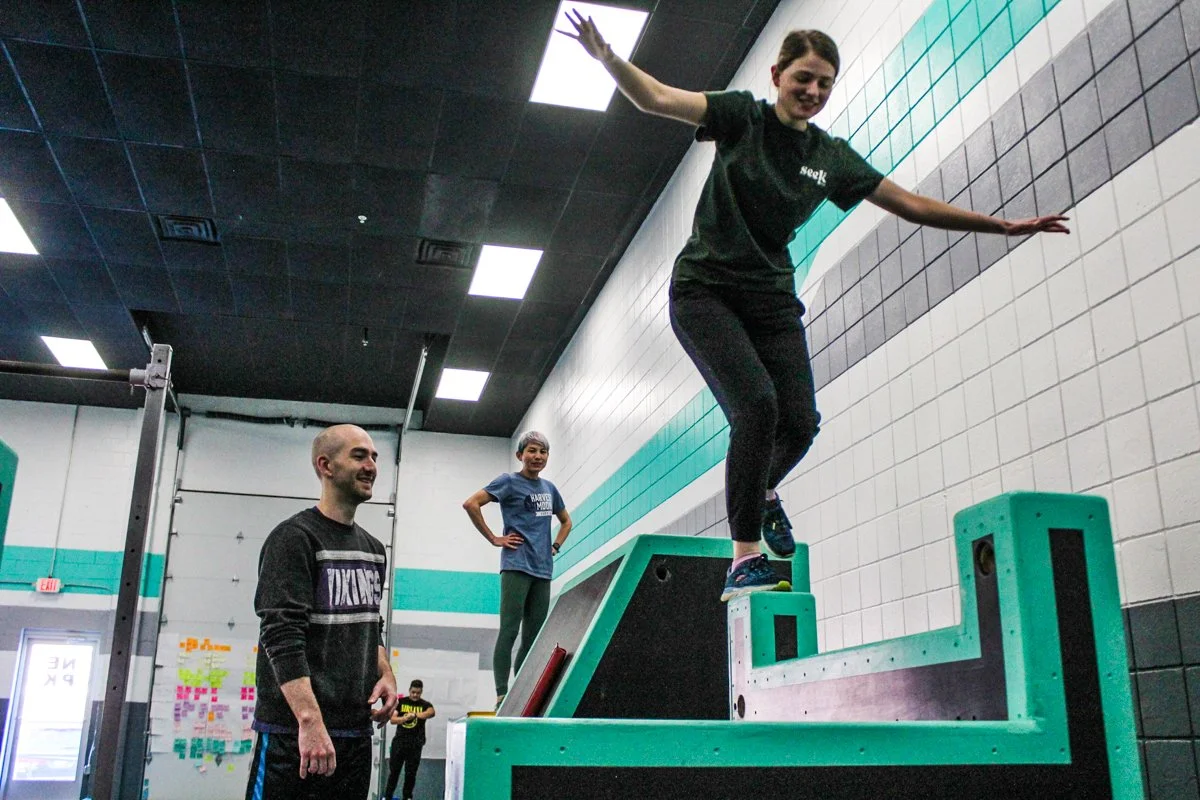
This is the most common misconception. Modern parkour training is built around:
Progressions
Risk management
Impact control
Safe landing mechanics
In parkour gyms, you don’t start by jumping.
You start by learning how not to get hurt.
Ironically, parkour explicitly trains skills most fitness programs ignore:
How to fall safely
How to absorb force
How to move with awareness
Compare that to:
Adult sports/leagues with untrustworthy partners & uncontrolled collisions
Running or weight lifting (high repetitive impact)
Traditional sports that focus on winning and not health/longevity
Parkour prioritizes control before intensity, which often results in fewer injuries, not more.
Even with previous injuries, there’s always something safe that you can do.
“I’m Not Fit Enough to Start Parkour”
Perfect. That’s exactly who it’s for. Parkour is entry-level by design.
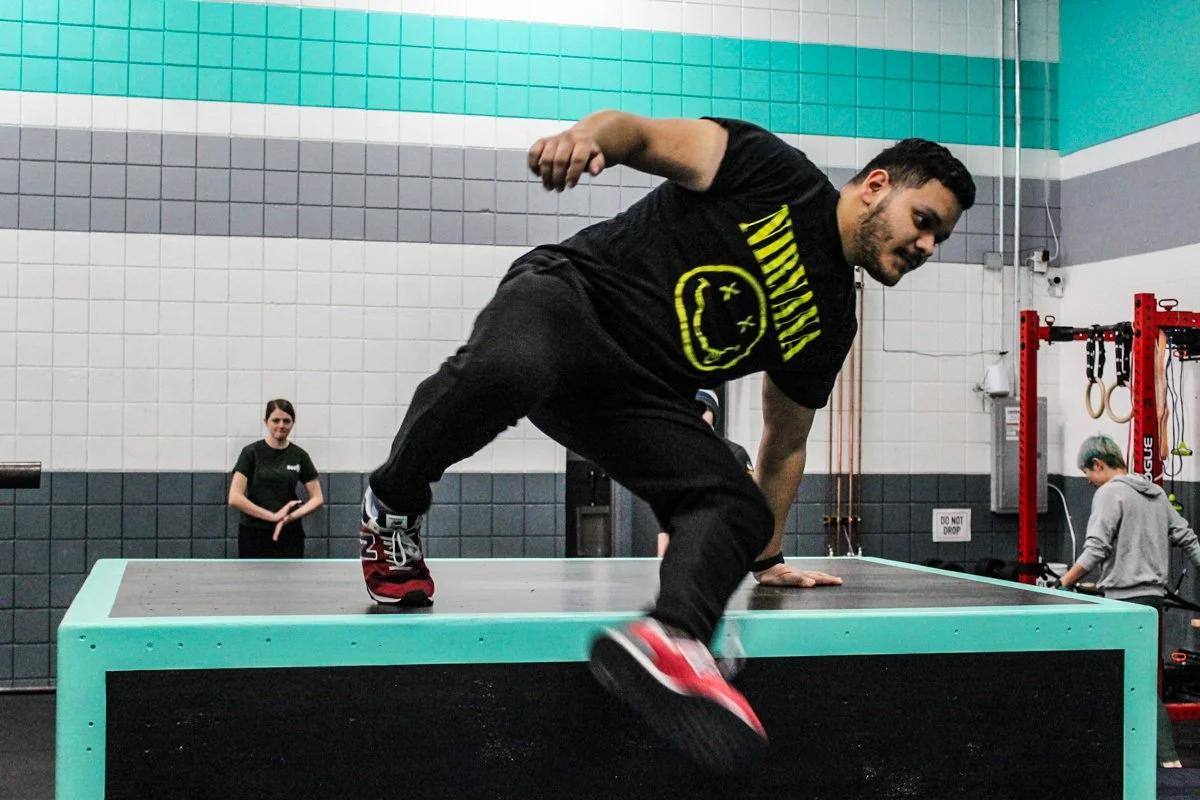
Classes begin with:
Walking
Stepping
Crawling
Balancing
Low-impact movement patterns
Every movement is scalable.
Every challenge has options.
Every class meets you where you are.
You don’t need to “get in shape first.”
Parkour is how you get in shape.
“I Don’t Want to Look Dumb”
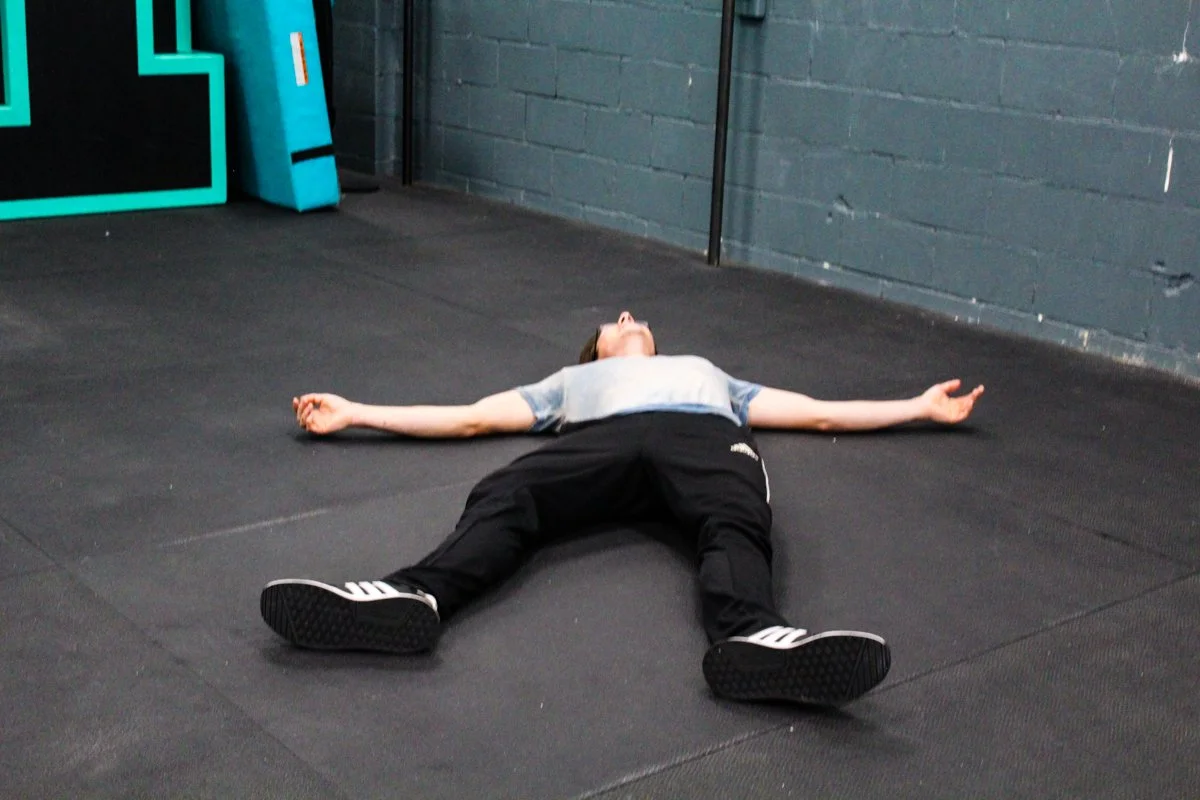
This one rarely gets said out loud—but it’s one of the biggest reasons adults never start.
Adults are used to being competent.
They don’t like being beginners.
They don’t want to feel awkward in front of others.
Here’s the truth:
Everybody looks dumb, and no one cares.
Parkour is one of the safest places to be new—because everyone expects beginners.
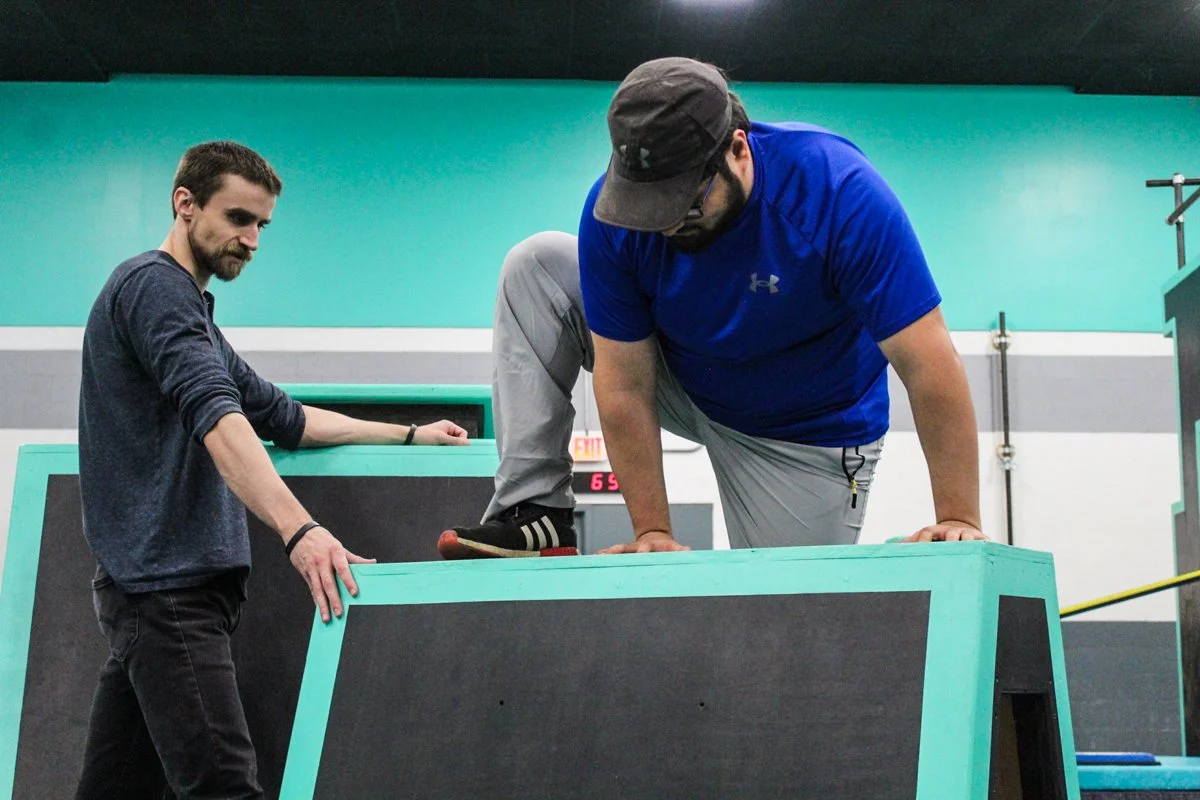
Parkour Assumes You’re New
Unlike traditional gyms, parkour doesn’t assume you already know what you’re doing.
There are:
No confusing machines
No hidden rules
No “you should already know this” energy
Classes start with fundamentals. Always.
Awkwardness isn’t failure—it’s part of learning.
A Welcoming Community, Not a Judgmental One
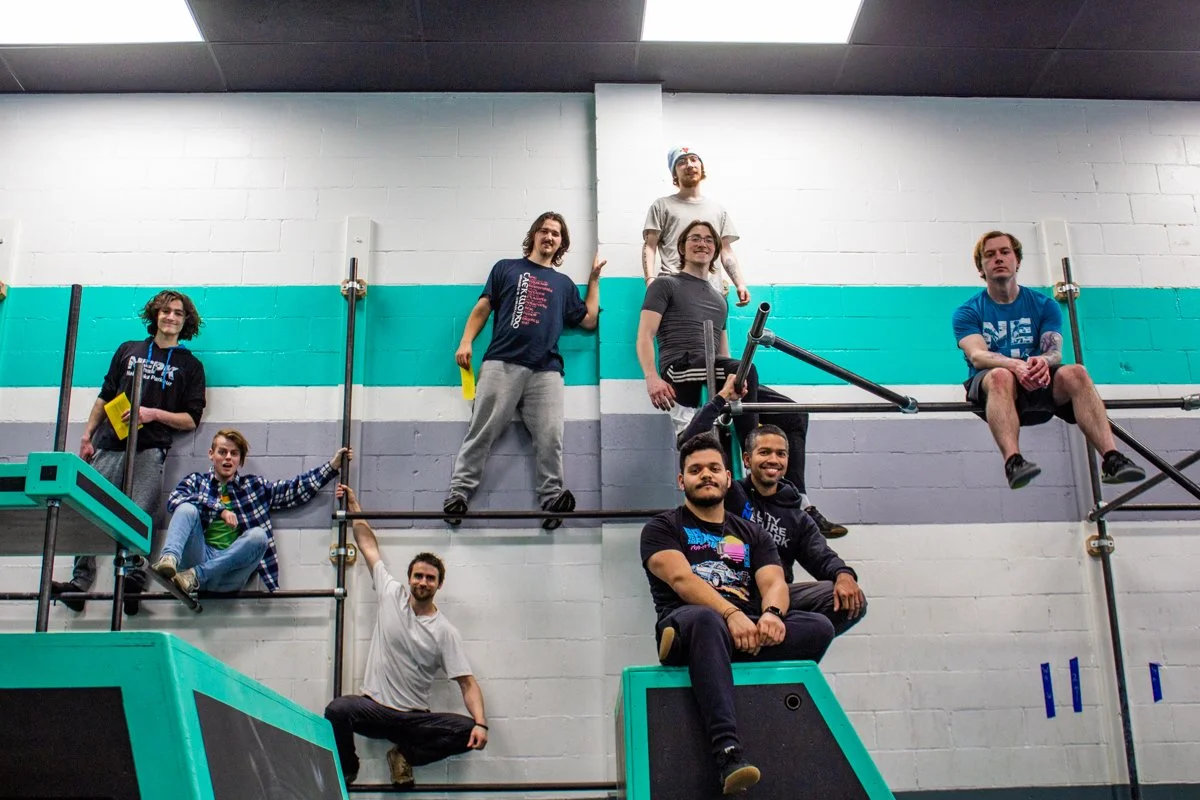
Parkour gyms intentionally cultivate community.
You’ll find:
Adults learning at different speeds
People cheering for progress, not perfection
Coaches and classmates who remember what it’s like to start
There are no mirrors.
No flexing.
No comparison culture.
Instead, the environment says:
“We’re just doing this because it’s fun.”
Looking “dumb” isn’t embarrassing here—it’s normal.
Everyone Starts Awkward—and Everyone Knows It
Parkour is skill-based. That means:
Everyone struggles at first
Everyone improves visibly
Everyone remembers being new
The culture celebrates your presence and rewards effort, curiosity, and growth—not performance.
And because of that, adults often find parkour gyms to be more emotionally safe than traditional fitness spaces.
“I’m Too Old / Not Athletic / Not That Kind of Person”
Most adults who train parkour never thought they would.
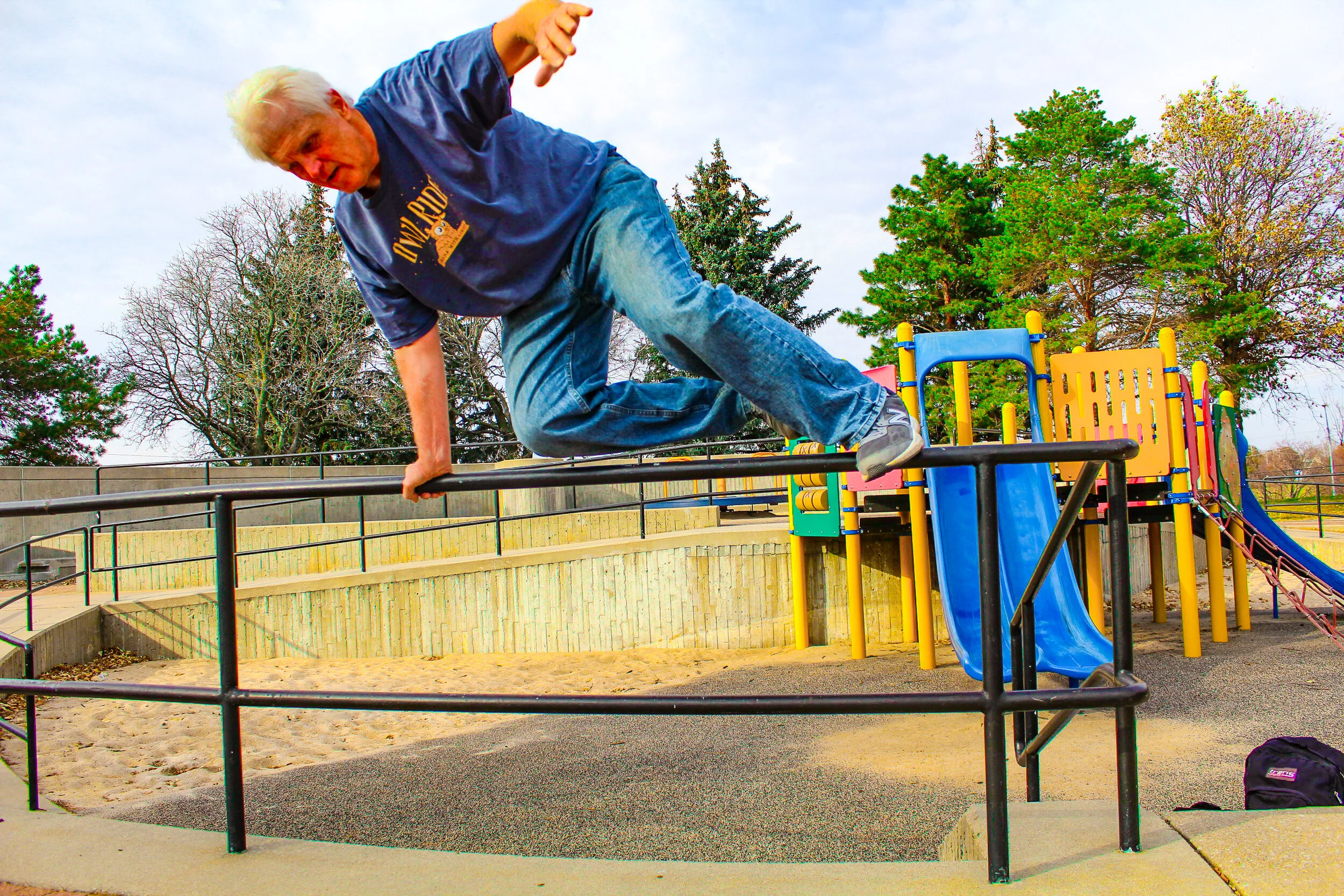
Parkour classes are full of:
Starters
Parents with a history of injuries
Former athletes
People rebuilding movement after years away
You’re not expected to impress anyone.
You’re expected to show up.
And over time, you’ll notice something shift:
Your body feels more capable.
Your confidence grows.
Movement becomes fun again.
Check out PKMove’s Senior class and ask about our Parkour Over 40 class.
Why Parkour Works When Other Fitness Doesn’t
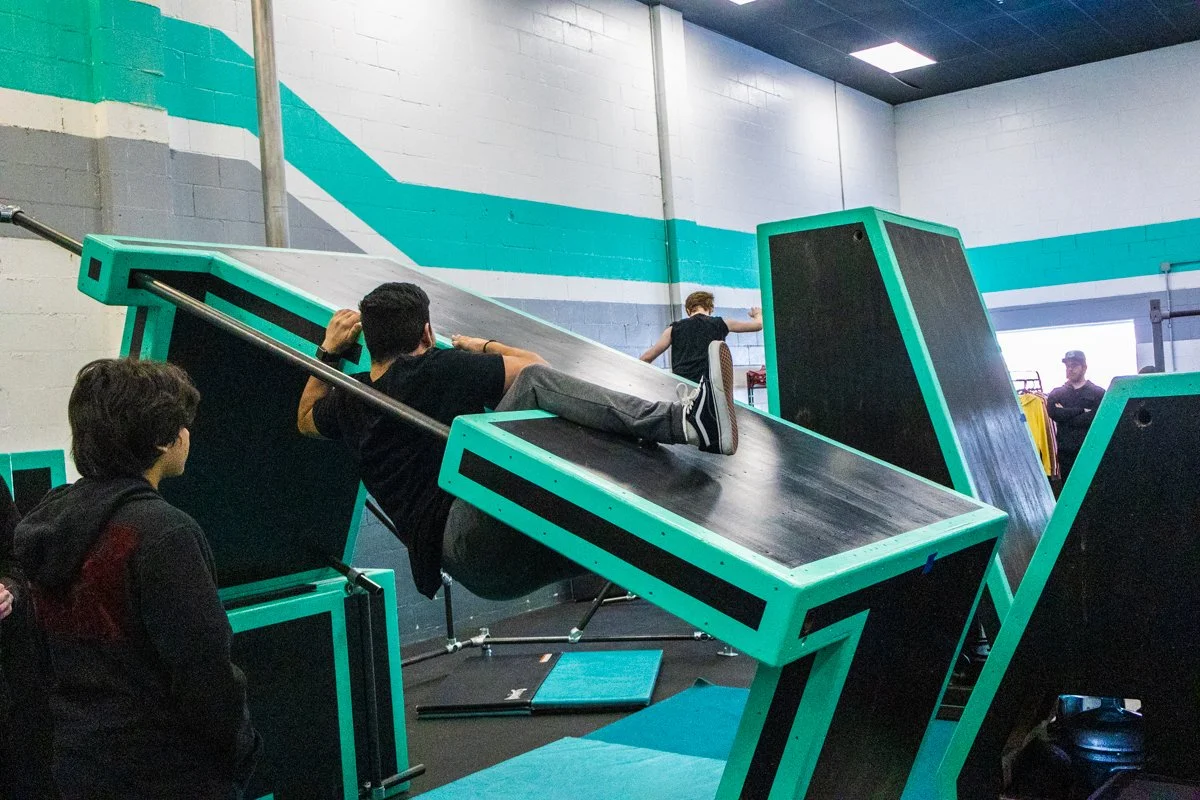
1. It’s Skill-Based, Not Punishment-Based
You’re learning:
How to move efficiently
How to control your body
How to solve movement problems
Progress is tangible:
“I couldn’t do this last month.”
“That used to scare me.”
“My body feels better.”
2. It Trains Real-World Strength
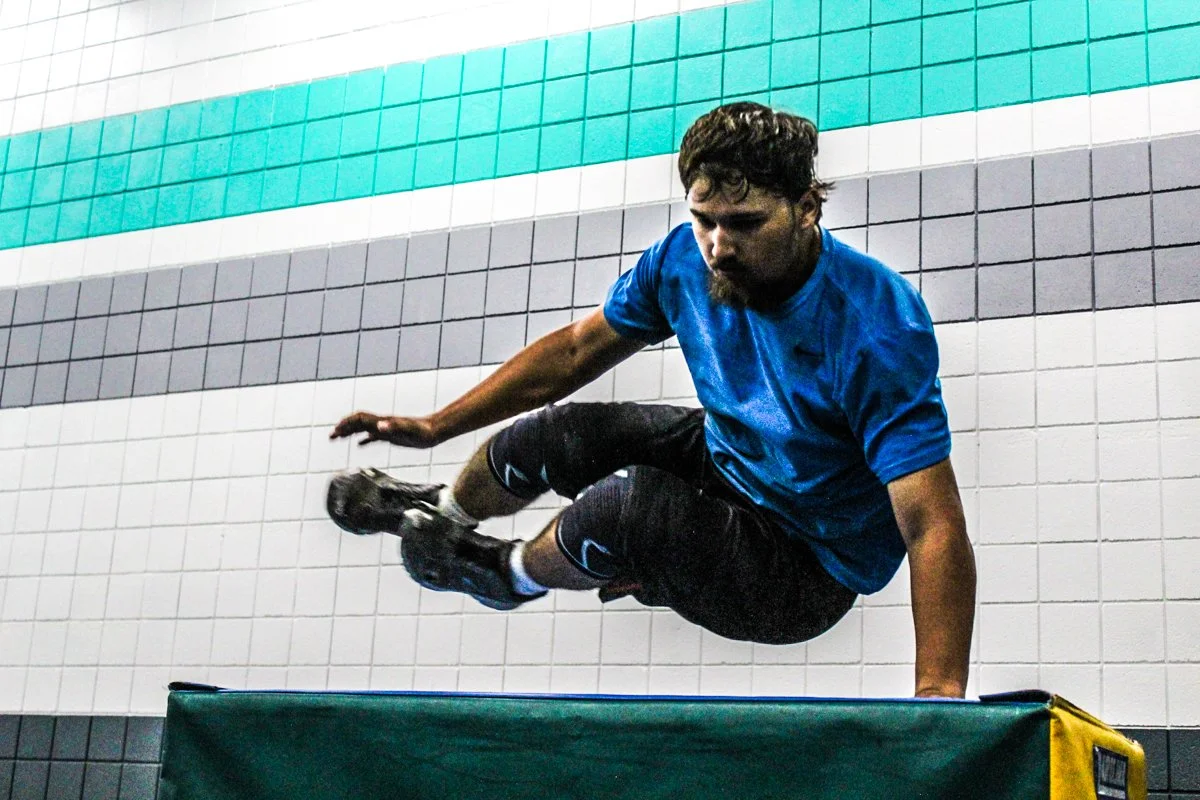
Parkour builds:
Joint resilience
Balance and coordination
Mobility and usable strength
Not just muscles—but trust in your body.
3. It’s Mentally Engaging (So You Don’t Get Bored)
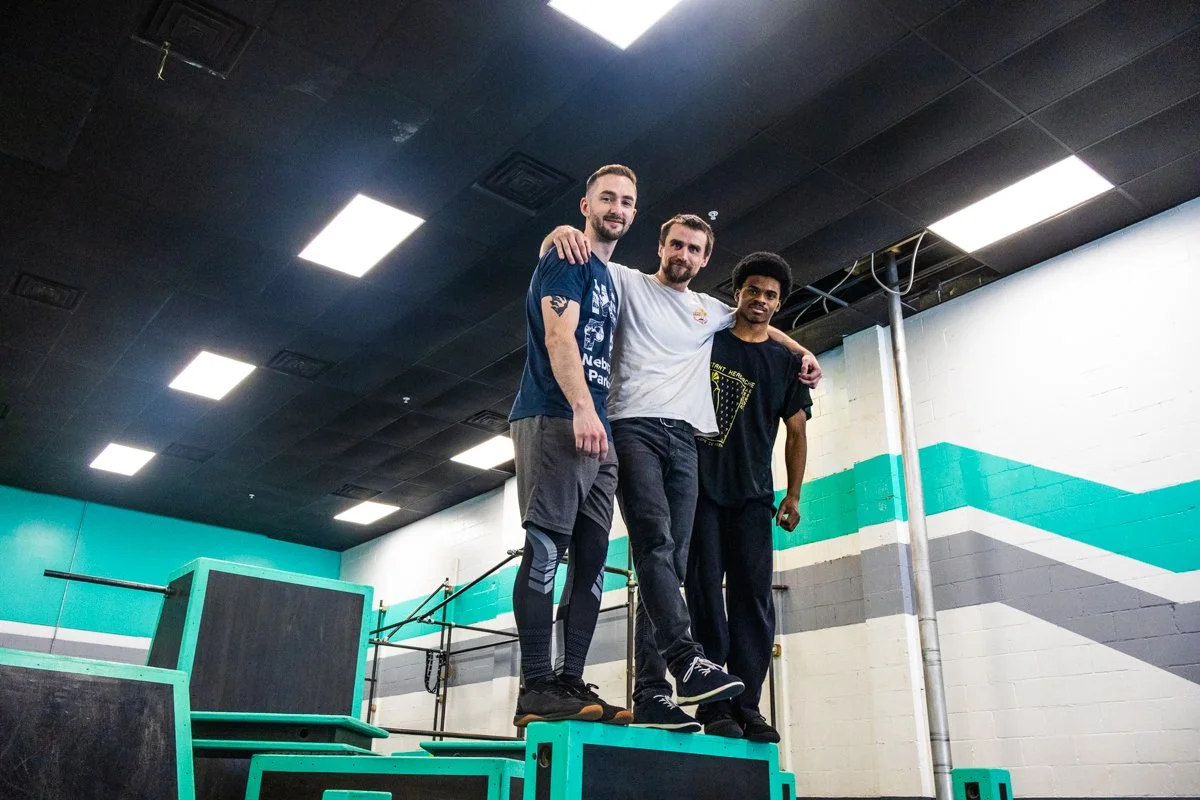
You’re not counting reps. You’re solving movement puzzles.
That mental engagement is why many adults say:
“This doesn’t feel like working out” and “It’s just fun.”
Building muscle memory on movements, no matter how small, is a cognitive challenge to overcome an obstacle. You’ll find that at every skill level.
4. Community Creates Accountability Naturally
Classes create rhythm.
People notice when you’re gone because they want you there.
Coaches know your name.
Accountability isn’t forced—it’s built in.
The Resolution That Actually Works
Forget:
“I’ll work out every day”
“I’ll lose 20 pounds”
“I’ll be disciplined this time”
Try this instead: “I’ll show up twice a week and learn how to move better.”
That’s it. Parkour works because it:
Is entry-level
Is scalable
Is safer than it looks
Is community-driven
And is genuinely fun
If your fitness resolutions have failed before, it probably wasn’t you.
You just hadn’t found the right way to move yet.
Find yourself. Find your purpose. Find your fun.